
You just got your custom screen printed tees from T-Shirt Envy, and they look fantastic. The colors pop, the design is crisp, and you’re ready to show them off. But how do you keep them looking that good?
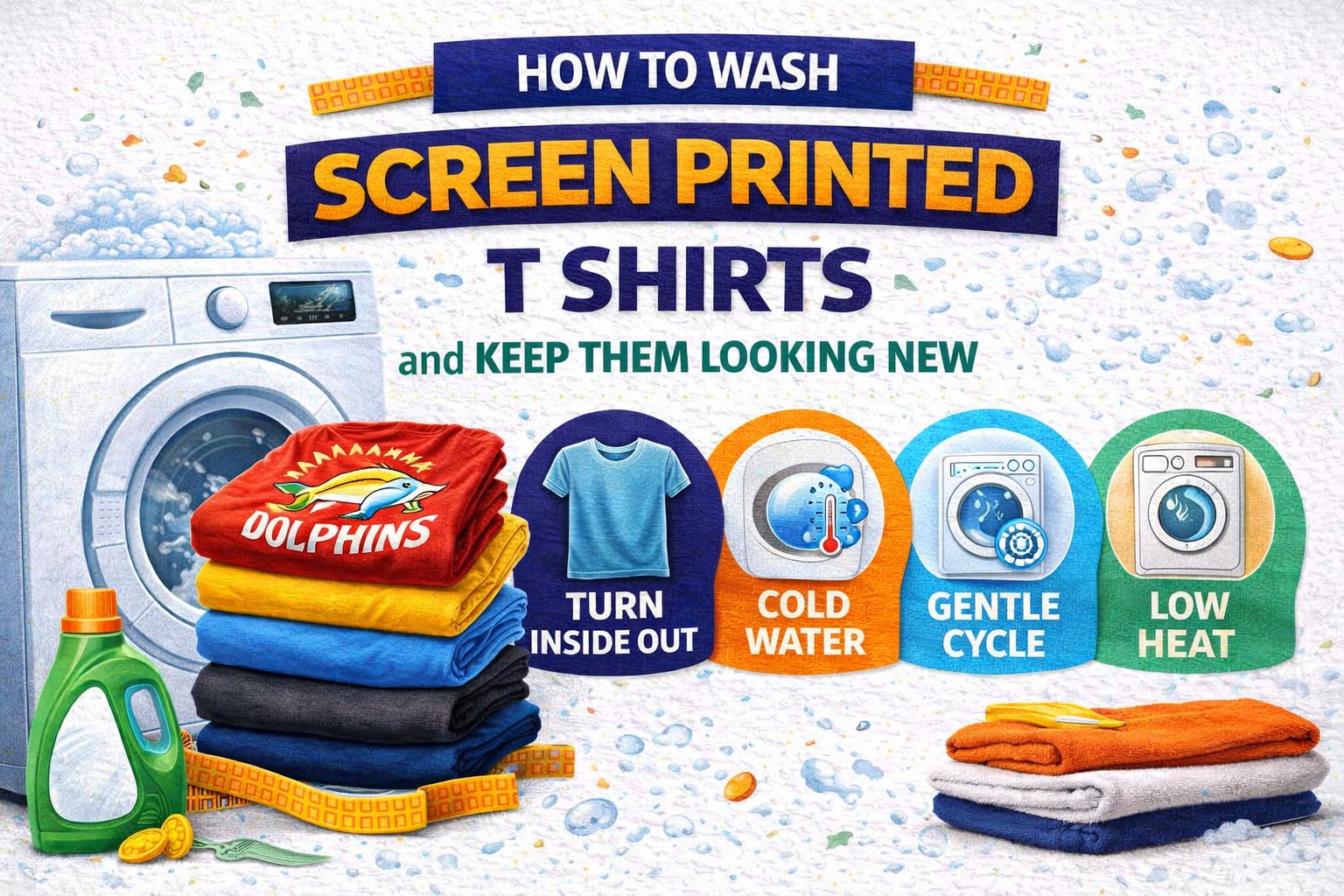
The secret to washing screen printed t shirts is surprisingly simple: wash them inside out, in cold water, on a gentle cycle, and let them air dry. That’s it. This basic routine protects both the ink and the fabric, keeping your designs looking fresh for years.
The Secret to Keeping Your Screen Printed Shirts Looking New

You’ve invested in quality apparel that represents your brand, event, or unique idea. Now, the goal is to make that investment last. The vibrant, durable designs you get from T-Shirt Envy are made with high-quality inks built to endure, but your laundry routine is the biggest factor in their long-term survival.
Think of your washing machine as a tool—it can either preserve your gear or destroy it. Heat, friction, and harsh chemicals are the three enemies of a screen print. Following the right care routine isn't about adding complicated steps; it's about forming simple, protective habits from the very first wash.
Protecting Your Print From Day One
The journey to a long-lasting print starts the moment you open your T-Shirt Envy box. A little patience and the right laundry habits make all the difference, whether you designed a one-off masterpiece or ordered a thousand shirts for your team.
Here are the core principles we swear by:
- Turn It Inside Out: This is non-negotiable. It creates a physical shield, minimizing the friction between the print and other clothes or the inside of the washer.
- Use Cold Water Only: Hot water is a print’s worst enemy. It can soften the plastisol ink used in screen printing, making it vulnerable to cracking and peeling.
- Choose a Gentle Cycle: An aggressive wash cycle is like sandpaper for your shirt. A gentle or delicate setting reduces the physical stress that wears down the design.
- Avoid Harsh Chemicals: Stay away from bleach and strong, abrasive detergents. They can break down the ink and cause brilliant colors to fade.
Key Insight: A professionally cured screen print is incredibly tough. Industry tests show that a quality print can withstand over 50 washes with almost no visible wear—if you take care of it correctly.
For those who want a quick reference, here’s a simple cheat sheet to keep your prints looking their best.
Quick Care Cheat Sheet for Screen Printed Shirts
This table breaks down the most critical dos and don'ts for washing your screen-printed apparel to ensure maximum longevity and vibrancy.
| Action | The Why (Protection Benefit) | Mistake to Avoid |
|---|---|---|
| Turn Inside Out | Protects the ink from direct friction with other garments and the washer drum. | Washing with the design exposed. |
| Wash in Cold Water | Prevents the ink from softening, cracking, or peeling. | Using hot or even warm water. |
| Use a Gentle Cycle | Reduces physical stress and abrasion on the print and fabric. | Choosing heavy-duty or normal cycles. |
| Air Dry or Tumble Dry Low | Avoids high heat that can damage the ink and shrink the cotton. | Using high-heat dryer settings. |
| Use Mild Detergent | Protects the chemical integrity of the ink and prevents fading. | Using bleach or harsh detergents. |
| Wash with Similar Textures | Prevents pilling and micro-abrasions from rough fabrics like denim or items with zippers. | Washing tees with jeans or jackets. |
Following these simple rules is the best way to guarantee your custom gear stays in rotation for a long, long time.
More Than Just Washing
Beyond the machine, how you prep, dry, and store your shirts plays an equally important role. For instance, did you know that sorting laundry by fabric texture—keeping soft tees away from rough items like jeans—can prevent pilling and tiny scratches on the ink?
We’ll walk you through every stage, from pre-wash prep to stain removal and storage. By following these expert tips, you aren't just washing a t-shirt; you're preserving your investment. If you’re curious about what makes our prints so durable in the first place, you can learn more about our screen printing process and see how quality starts at the source.
Pre-Wash Prep That Will Save Your Design

Protecting your new custom shirt doesn’t start in the washing machine—it starts the moment you get it. Proper care begins before the shirt ever touches water, ensuring the vibrant design you approved in the TSE mobile app looks just as good after fifty washes as it did on day one.
Our Quick, Quality, Printing!™ process includes curing the ink for ultimate durability, but it needs a brief window to fully bond with the fabric's fibers. This is where a little patience pays off big time.
Always wait at least 24-48 hours before the first wash. This curing window is non-negotiable for print longevity. Washing a shirt too soon can cause the ink to soften and degrade, leading to premature cracking or peeling.
The Undeniable Power of Turning It Inside Out
If you only remember one rule, make it this one. Turning your shirt inside out before washing is the single most effective thing you can do to protect the print.
During a wash cycle, the printed design faces constant friction from other clothes and the machine's drum. This rubbing and scraping is exactly what causes a sharp design to get fuzzy, peel at the edges, or crack down the middle over time.
By turning it inside out, the plain back of the shirt takes all the abuse. Your custom artwork remains shielded from direct contact. It’s a simple move that costs nothing but adds years to your shirt’s life.
Sort Your Laundry By Texture, Not Just Color
You already separate whites from colors. To protect your prints, you need to add another sorting rule: texture.
Washing soft t-shirts with abrasive items is a recipe for disaster. The biggest culprits are materials that act like sandpaper against the ink.
- Denim: The thick, coarse twill of jeans is highly abrasive.
- Jackets with Zippers: Metal zippers and buttons can easily snag, scratch, and chip away at the print.
- Towels: The looped texture of terry cloth creates a surprising amount of friction.
- Garments with Velcro: Velcro is designed to grip and can easily tear at both the ink and the fabric.
Create a "soft items only" load for your printed apparel. Washing your tees with other t-shirts and soft cottons dramatically reduces wear and tear on the design. This is especially important for clients who need their corporate event apparel to look professional wear after wear. The fabric itself also plays a huge role; for more on that, see our guide on choosing the best fabric for your t-shirts.
Mastering The Wash Cycle For Lasting Vibrancy

The washing machine can either be your print’s best friend or its worst enemy. It all comes down to the settings you choose. With the right approach, you can turn a routine chore into a preservation strategy, locking in that vibrant, crisp look for years.
Whether it’s a single tee you designed or a major corporate order you're managing through the TSE mobile app, knowing exactly how to wash these shirts is key. Your goal is simple: clean the fabric with the absolute minimum stress on the ink. It’s easier than it sounds.
The Golden Rule Of Temperature
Let’s get straight to the point: always use cold water. Hot water is the number one enemy of a screen print, period. The plastisol ink used for these designs is cured with heat, and exposing it to high temperatures in the wash can start to reverse that process.
Think of it this way—hot water softens the ink, making it pliable and vulnerable. As it tumbles around, the softened ink is far more likely to crack or peel away from the fabric fibers.
- Ideal Temperature: Keep your water temperature below 30°C (86°F). Your machine's "cold" setting is perfect.
- The Risk of "Warm": Even a warm wash can be too aggressive for some prints, especially over time. Just stick to cold. It’s the safest bet.
This single choice dramatically extends the life of your design, making sure your investment in custom printing really pays off.
Choosing The Right Detergent
Not all soaps are created equal. The detergent aisle is full of products loaded with harsh chemicals and additives that can wreak havoc on your prints.
You’re looking for a mild, phosphate-free liquid detergent. Powdered detergents can be too abrasive, as tiny, undissolved granules can literally scrub against the print. Liquid options mix more evenly in cold water, giving you a gentler clean.
Most importantly, avoid bleach and stain removers with bleach at all costs. Chlorine will not only make the fabric colors fade but can chemically break down the ink itself, leaving you with a blotchy, ruined design. If you get a tough stain, spot-treat it carefully while avoiding the printed area.
Industry Data: There’s a reason screen printing dominates the custom apparel world—it’s built to last. When washed correctly, tests show that screen-printed tees retain 95% of their color vibrancy after 50 washes. The key is avoiding common mistakes like bleach, which can cause 80% more peeling, and high heat. You can explore more on t-shirt industry standards and trends here.
Demystifying Your Washer Settings
Now for the machine itself. Those dials might seem complicated, but for printed tees, there's only one setting you need to know.
Always select the gentle or delicate cycle. These modes are specifically designed to minimize mechanical stress by using a slower spin and less aggressive agitation. That means less friction wearing down your precious design. A "normal" or "heavy-duty" cycle is like putting your shirt in a wrestling match; it’s too much tumbling and can stretch the fabric while grinding down the ink.
Choose the gentler option. Your shirt and its print will thank you for it, ensuring those bold designs for your startup or matching shirts for your family reunion look just as amazing wash after wash. This careful approach is a core part of what makes our printing process so reliable.
The Art of Drying Without Damaging the Print

You’ve made it through the wash cycle, but the next step is where most prints meet their untimely end. The single biggest threat to your screen-printed tee is the high heat of a machine dryer. It’s the fastest way we see a sharp, vibrant design turn into a cracked, peeling disaster.
The intense heat from a standard dryer cycle can cause the plastisol ink to soften and essentially re-cure in a brittle state. When it cools, the design loses its flexibility, leading to immediate cracks and flakes the next time it's worn. Proper drying isn't just a suggestion; it's essential.
Championing the Gold Standard: Air Drying
For maximum print longevity, nothing beats air-drying. It’s the only method we can guarantee will preserve the ink’s bond to the fabric without causing any damage. It’s simple, effective, and costs nothing.
For professional-grade results, follow these tips:
- Hang or Lay Flat: Once the wash is done, give the shirt a quick shake to loosen any deep-set wrinkles. You can then place it on a wide, rounded hanger or lay it flat on a clean surface.
- Avoid Direct Sun: While open air is good, direct sunlight acts like a low-power bleach over time, which can fade both the garment and the ink. A shaded spot with good ventilation is perfect.
- Give It Space: Don’t crowd your wet clothes together. Good airflow is key to preventing that musty smell and ensuring an even, timely dry.
Air drying does more than just protect the print—it also prevents the fabric shrinkage that’s so common with machine dryers, keeping your shirt’s fit just right.
Key Takeaway: Treat your screen print like a high-quality tool. Exposing it to extreme heat will warp and ruin it. Air-drying is the professional standard for keeping your designs pristine.
Using a Machine Dryer The Right Way
We understand that sometimes life calls for a shortcut. If you absolutely have to use a machine dryer, proceed with caution. There's only one way to do it with minimal risk.
Your best bet is to use the "Air Fluff" or "No Heat" setting. This simply tumbles the clothes with room-temperature air. If your machine doesn't have that, select the absolute lowest heat setting available, often labeled "Tumble Dry Low."
Crucially, pull the shirt out while it’s still slightly damp. Never let it bake until it’s bone-dry. This approach minimizes heat exposure and gives your print the best chance of survival. For specialty inks with raised or textured effects, this gentle approach is non-negotiable. Our popular 3D puff screen prints are a perfect example of a design that demands this level of care.
The Science Behind Why Heat Is So Destructive
Imagine ordering custom tees for a major event, only for the logo to peel off after one wash. It’s a nightmare scenario for anyone relying on T-Shirt Envy to represent their brand. Modern plastisol inks have come a long way, with wash resistance soaring from just a few cycles to well over 100—but only with proper care.
AATCC wash tests have confirmed what we’ve seen for years: machine dryers can slash a print's lifespan by a staggering 60%. This is precisely why we are such strong advocates for air-drying. Whether it’s a single shirt you designed with the TSE mobile app or a large corporate order, skipping the dryer is the final, most important step in protecting your investment.
Handling Stains, Wrinkles, and Long-Term Storage
You’ve got the washing and drying routine down, but let's be real—life happens outside the laundry room. Spills, creases, and even how you put a shirt away can undo all your careful work. Keeping your gear looking brand-new is about more than just wash cycles; it’s about mastering the art of maintenance.
These are the pro tips that make a real difference. Whether you're trying to preserve a team uniform that sees a lot of action or that new creator merch you just designed on the TSE mobile app, a little extra knowledge goes a long way.
Spot Treating Stains Without Damaging The Print
A sudden drop of coffee or a smudge of ketchup can feel like a total disaster for your favorite shirt. Don't panic. The trick is to act fast and be precise, making sure any cleaner stays far away from your custom print.
Here’s how we handle stains in the shop to keep the print safe:
- Blot, Never Rub. The first instinct is to scrub, but don't. Grab a clean cloth or paper towel and gently blot the spot. This lifts the stain out instead of grinding it deeper into the fabric.
- Create a Barrier. Slip a small piece of cardboard or a folded cloth inside the shirt, right behind the stain. This is a crucial step that stops the stain—and the cleaner—from bleeding through to the back.
- Use a Gentle Cleaner. A little bit of mild, bleach-free detergent mixed with cold water is all you need. Dab the solution onto the stain with a soft cloth, working from the outside in to keep it from spreading.
- Rinse from the Back. Hold the stained area under cold running water, but flush it from the inside of the shirt. This pushes the remainder of the stain out of the fabric, not further in. After that, it’s ready for a normal wash.
This method isolates the problem, protecting the screen print from any chemicals that could cause it to crack or fade over time.
The Rules Of Ironing A Screen Printed Shirt
Wrinkles are inevitable, but a hot iron is public enemy number one for a screen-printed design. Never, ever press a hot iron directly onto the print. It will melt the ink in a split second, smearing the design and ruining both your shirt and your iron.
There are only two safe ways to get those wrinkles out:
- Go Inside Out: This is the easiest method. Just turn the shirt inside out and iron the back of the fabric where the design is. Use a low-to-medium heat setting without steam, and let the fabric itself be the shield.
- Use a Protective Layer: If you have to iron from the front, lay a piece of parchment paper or a thin dish towel over the print first. This creates a buffer that protects the ink from direct heat.
Pro Tip: The best offense is a good defense. You can avoid most wrinkles by pulling your shirts from the washer as soon as it’s done. Give them a good shake to loosen creases and then hang them to dry or lay them flat.
Long-Term Storage Solutions
How you store your shirts matters just as much as how you wash them. Hanging might seem like the obvious choice, but for t-shirts—especially heavier cotton ones—it can do more harm than good.
Over time, the shirt’s own weight will stretch out the shoulders and neckline, leaving you with a droopy, misshapen mess. That’s why folding is almost always better than hanging. A neat fold in a drawer or on a shelf prevents gravity from distorting the fit and keeps the fabric from being constantly stressed.
Great care comes down to small, consistent habits. At T-Shirt Envy, we deliver Quick, Quality, Printing!™ that lasts, but industry data from the $12.8B custom printing market shows just how much proper care matters. While 75% of quality screen prints survive 30 cold washes with their color intact, that number plummets after just 15 tumbles in a hot dryer. Follow these tips, and you can extend your garment's life by 2.5x, making sure your investment really pays off. Discover more insights about screen printing industry standards.
Common Questions About T-Shirt Care Answered
You’ve invested in quality custom apparel for your business, event, or brand. Protecting that investment comes down to proper care.
Even with the right washing plan, questions come up. Here are straightforward answers to the most common questions our team gets about keeping your printed shirts looking sharp.
Can I Use Fabric Softener on My Screen Printed Shirts?
No. We strongly advise against using any fabric softeners or dryer sheets on your printed apparel.
These products work by coating fabric fibers in a waxy, chemical film. While that makes the shirt feel softer, it actively works against your print. The coating weakens the ink's bond to the fabric, leading to cracking and peeling. Industry tests show these products can reduce print adhesion by up to 35%.
For a safe alternative, add a half-cup of white vinegar to the rinse cycle. It softens fabrics naturally without leaving any residue that could damage the design.
What Should I Do If My Print Starts to Crack?
Minor cracking is almost always a sign of heat damage—usually from a hot dryer cycle or a direct hit from an iron. While you can't reverse major peeling, you can often stop a small crack from getting worse.
- First, stop all high-heat drying. From now on, only air-dry the garment.
- For a spot-fix on a small crack, turn the shirt inside out and place a piece of parchment paper over the back of the design.
- Press the area with a warm (never hot) iron for just 3-5 seconds. This can sometimes help the ink re-adhere.
Prevention is always the best strategy. The cold wash and air-dry method is the only way to guarantee your print’s durability from day one.
How Is This Different From Washing a DTG or DTF Shirt?
The great news is that our core rules—wash inside out, use cold water, and choose a gentle cycle—are the gold standard for protecting all types of custom prints. Whether your order was screen printed, Direct-to-Garment (DTG), or Direct-to-Film (DTF), this guide is your playbook.
The reason it works across the board is that it protects against each print type’s specific vulnerabilities:
- Screen Printing: This uses a thick ink layer that sits on top of the fabric. It’s incredibly durable but susceptible to cracking from high heat and abrasion.
- Direct-to-Garment (DTG): Here, the ink soaks into the fabric fibers. This gives it a softer feel but makes it more vulnerable to fading from harsh detergents.
- Direct-to-Film (DTF): These prints are known for their vibrant color and flexibility. Like screen prints, they are sensitive to high heat, which can damage the adhesive.
This washing method is the universal care routine for any custom item you design on the TSE mobile app or our website.
How Long Should a High-Quality Screen Print Last?
A professionally cured screen print from a shop like T-Shirt Envy is built to last for years, often outliving the t-shirt itself. When you learn how to wash screen printed t shirts correctly, you can expect the design to withstand 50+ washes with minimal fading or damage.
This standard is confirmed by AATCC (American Association of Textile Chemists and Colorists) wash tests. Longevity comes down to two things: the quality of the initial cure in our shop and your care routine at home.
By providing fast, reliable service, we deliver a product engineered for endurance. By avoiding high heat, harsh chemicals, and friction, you ensure your design stays as solid as the day it arrived. This combination of professional printing and proper care is why businesses trust us for their bulk uniform, event, and merchandise orders.
Ready to create apparel that’s built to last? At T-Shirt Envy, we combine premium materials with expert printing techniques to deliver designs that look amazing wash after wash.


